Buying Guide
Best IEMs Under $200: 5 picks worth buying
Compare five of the best IEMs under $200 for balanced sound, comfort, value, warm tuning, bass, and musician-friendly use.
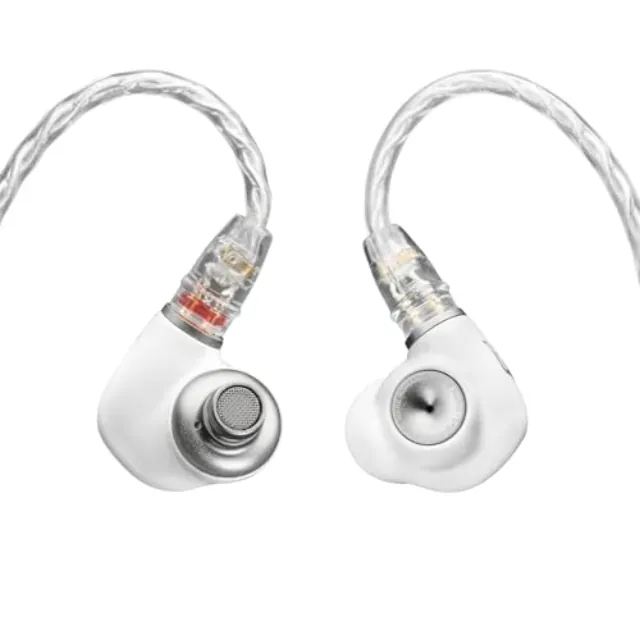
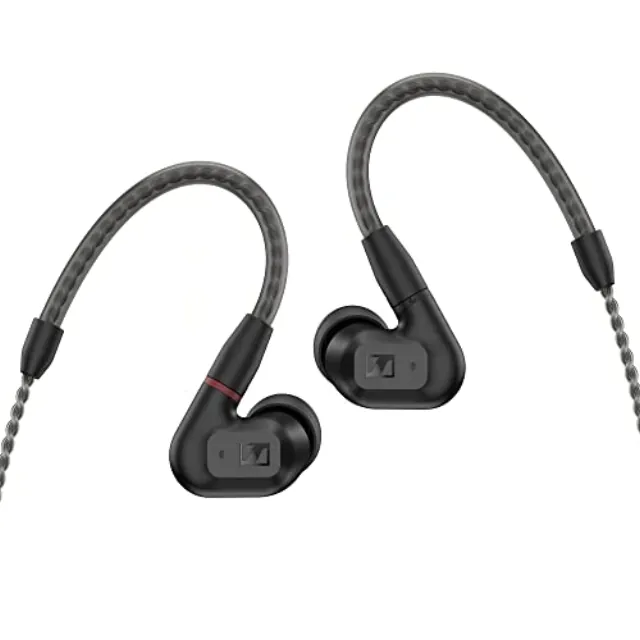
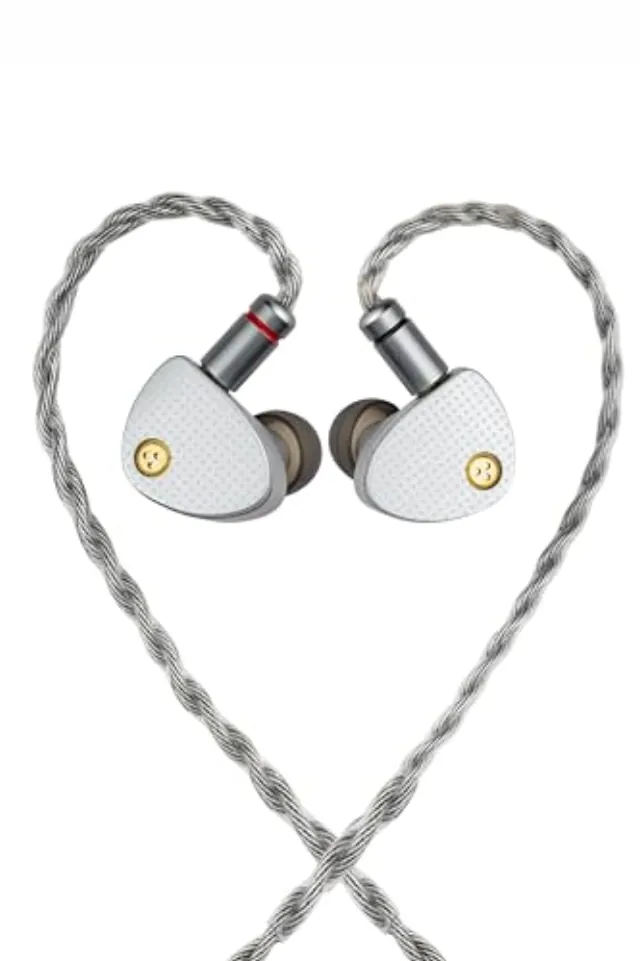
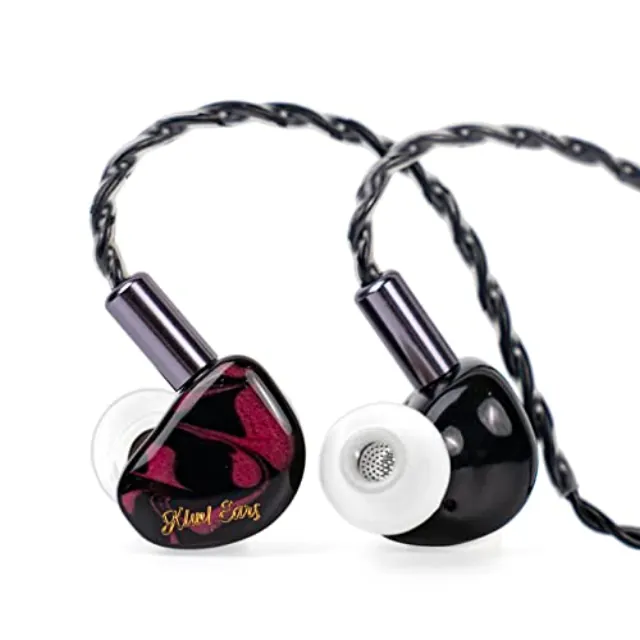
The Meze Audio Alba is my best overall pick under $200. It is comfortable, sounds balanced with a little warmth, and it has no deal-breaking weakness for everyday listening. Will it suit everyone? No, and no IEM does. The other four picks each make a clearer case for compact shells, value, a warmer sound, or more bass.
Quick comparison
| Model | Best for | Broad sound character | Notable strength | Main caution |
|---|---|---|---|---|
| Meze Audio Alba | Best overall | Balanced with slight warmth | Comfort and a complete everyday package | Isolation is below the stronger options |
| Sennheiser IE 200 | Comfort and balanced sound | Neutral and precise | Compact shells suit long sessions and smaller ears | Stock cable and ear tips are weak points |
| Moondrop Aria 2 | Best value | Balanced all-rounder | Sound quality and comfort for the cost | Finish and quality assurance concerns |
| TinHiFi T3 Plus | Warm-sounding all-rounder | Warm and relaxed | Full-bodied, easygoing presentation | Less suitable if you want a crisp, forward treble |
| BLON BL-03 II | Budget and bass | Bass-friendly and enjoyable | Metal build at a much lower price | Fit is the biggest risk |
All five are affordable in-ear monitors relative to the $200 ceiling, but they suit different listeners. If two of them look evenly matched to you, use fit as the tiebreaker. A promising IEM with a poor seal can lose bass and isolation, and its tonal balance can shift right along with them.
The five best IEMs under $200
Best overall
Meze Audio Alba
Reasons to buy
- Exceptional comfort and fit in the site catalogue
- Balanced presentation with a touch of warmth
- Replaceable 2-pin cable and included USB-C adapter
Reasons not to buy
- Sound isolation is a documented weakness
- Bass-first listeners may want a more forceful low end
My safest all-round recommendation here for listeners who want comfort, balanced tuning, and enough warmth to keep everyday listening easy.
Meze Audio describes the Alba as neutral with a touch of warmth. It is not the leanest option here, and it is not the bass pick either. That middle position works well with vocals, acoustic music, rock, pop, and mixed playlists, although no tuning suits every ear. That is just the truth of it.
Bass gives the music body without taking over, the midrange stays central, and the treble is meant to keep things clear without making the Alba the brightest set on the list. Want more low-end weight? Look at the BLON. Want a more explicitly neutral brief? That is the IE 200.
Comfort is the best practical reason to choose it, and the catalogue backs that up by calling the fit exceptional. Meze includes a USB-C adapter for phones and laptops without a headphone jack, which is a thoughtful inclusion these days. A single dynamic driver and a 2-pin connection keep the setup simple, and the cable is replaceable.
Isolation is the catch, and it is worth taking seriously. If you listen on commutes, while traveling, or in loud rooms, outside noise may matter more to you than the Alba's comfort and tuning. It remains my best overall pick for everyday use, but it is not the first choice for a musician who needs dependable stage isolation.
Best for comfort and balanced sound
Sennheiser IE 200
Reasons to buy
- Exceptional comfort for all-day wear
- Ranked first in the catalogue for small ear canals
- Balanced tuning with adjustable bass via tip position
Reasons not to buy
- Stock cable quality is below the rest of the package
- Stock ear tips may need replacing to secure the right seal
The IE 200 is the compact, balanced choice for listeners who put long-session comfort and a less colored presentation ahead of premium accessories.
Sennheiser presents the IE 200 as a neutral, precise IEM, and the catalogue ranks it first for small ear canals while praising its all-day comfort. If you dislike large shells or want less warmth, this is the clearest Alba alternative on the list.
Two ear-tip mounting positions adjust the bass, so setup and seal matter more than a quick first listen might suggest. Take your time with the tips here. The midrange sits at the center of the balanced presentation, while the treble favors definition over a dark or bass-heavy sound. The product page links a frequency-response graph if you want a tonal reference before buying.
The compact, single dynamic-driver shells use a replaceable MMCX cable, which is genuinely helpful because the stock cable is a documented drawback. The supplied tips are the other weak point, so set aside a little money for different tips if the included set cannot hold a seal or keep the bass consistent.
Choose the IE 200 over the Alba for smaller shells and a more neutral brief. Choose the Aria 2 instead if price and a common 2-pin connection matter more. Of these five, the IE 200 has the strongest catalogue evidence for comfort, and that is saying something.
Best value
Moondrop Aria 2
Reasons to buy
- Impressive sound quality for the cost
- Excellent comfort for long sessions
- Replaceable 2-pin cable
Reasons not to buy
- The painted finish can scratch easily
- The catalogue records inconsistent quality assurance
The Aria 2 gives buyers a balanced, comfortable all-rounder around the middle of this group rather than pushing them close to the $200 limit.
The Aria 2 takes the value spot on the strength of two everyday qualities: sound for the money and long-session comfort. It also sits well below the $200 ceiling, which leaves money in your pocket. Spend more only if another model solves a particular fit problem or matches your tuning preference better.
I treat it as a balanced all-rounder, not a bass or treble specialist. The bass avoids sounding thin, the midrange works well with vocals and instruments, and the treble adds clarity without turning brightness into the selling point. Its product page links a measurement graph if you want to compare the overall tonal shape with the IE 200 or T3 Plus.
A single dynamic driver and a 2-pin cable keep ownership simple. The finish and the quality assurance are the concerns. Scratches will not change the sound, but they will bother anyone who expects a daily IEM to stay pristine. More importantly, the catalogue notes inconsistent quality assurance, so buy from a seller with a clear return process and check both channels before the return window closes. Do not skip that last part.
The Aria 2 lands in the middle of this group: less compact than the IE 200, less warm than the T3 Plus, and less bass-oriented than the BLON. That sounds like a knock, but for a first wired IEM it can be exactly the advantage you want, especially when it leaves room in the budget for tips or a dongle.
Best warm-sounding all-rounder
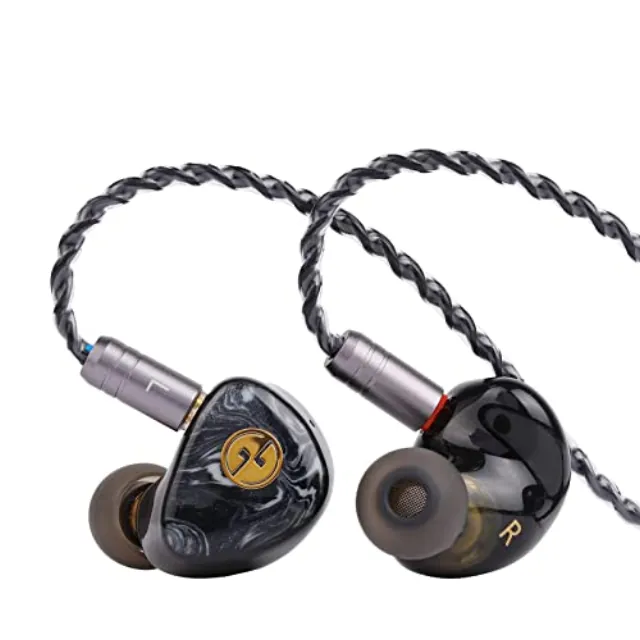
TinHiFi T3 Plus
Reasons to buy
- Warm, full-bodied tuning suits long casual listening
- Ergonomic resin shells are designed around a stable fit
- Single dynamic driver and replaceable 2-pin cable
Reasons not to buy
- Relaxed warmth is not ideal for listeners chasing a crisp, forward treble
- The current catalogue has limited detailed pros and cons for this model
The T3 Plus is the relaxed option for listeners who want more body and warmth than the IE 200 without making bass the only priority.
The T3 Plus is the warmer option in this group. TINHiFi describes an even transition between the lows and highs, along with deep bass and extended treble. My warm label here is comparative: choose it for body and an easygoing balance rather than the IE 200's more neutral brief.
Its bass gives drums, bass guitar, and lower vocals some extra weight, and the midrange stops it from becoming a pure bass set. Treble is still present, but the overall balance may come across too relaxed if you want a crisp, forward upper range. Some folks genuinely will. Know yourself before you buy.
The ergonomic resin shells hold a single dynamic driver and use a 2-pin connection, and the T3 Plus makes sense as a daily IEM if that shell shape suits you. Its product page links an external frequency-response graph. Use the graph to compare tonal balance, not to predict comfort, imaging, or your own preference. Graphs cannot do that last part.
Full disclosure: there is more uncertainty around this recommendation because the site's current catalogue entry has few product-specific pros and cons for it. Choose it if you already know you like warmth. The Alba or Aria 2 is the safer starting point if you are still figuring that out.
Best budget and bass pick
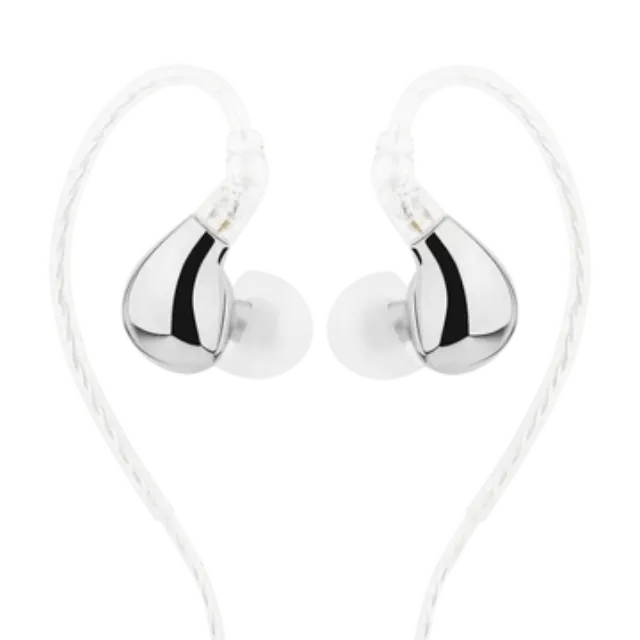
BLON BL-03 II
Reasons to buy
- Bass-friendly, enjoyable sound at a low catalogue price
- Durable metal build quality
- Leaves most of a $200 budget untouched
Reasons not to buy
- Uncomfortable or unreliable fit for some ears
- A poor seal can erase the bass advantage
The BL-03 II is the low-cost choice for buyers who want enjoyable bass and metal shells, provided they are willing to solve a potentially awkward fit.
One housekeeping note first: the site's current catalogue entry is the BLON BL-03 II, and that is the model assessed here. If you are searching for the original BL-03, do not assume the names point to the same listing. The II gets this spot for price and bass, and I am not claiming it outperforms the costlier picks in every respect.
A fuller low end sits inside an enjoyable overall balance. Bass gets more attention here than on the IE 200 or the Alba, while the midrange keeps the BLON useful beyond electronic music and hip-hop. If fine detail or a neutral reference comes first for you, look elsewhere, no hard feelings.
The metal build is a real strength at this price. Fit is the catch, and it is a big one. The catalogue records poor and uncomfortable fit, which changes the sound as well as the feel. Without a stable seal, bass drops and outside noise gets in, and the result may sound quite different from anything I described above.
Buy the BL-03 II if price and bass matter most and you do not mind experimenting with different ear tips. Skip it if universal IEMs already give you fit trouble. Paying more for the IE 200 or the Alba may be worthwhile just to remove that uncertainty, and sometimes peace of mind is worth the extra money.
Best IEM under $200 for musicians
Among these five, the Sennheiser IE 200 is the best-supported musician-oriented choice for practice, editing, or monitoring in a controlled room. Its compact fit and balanced brief suit long sessions, the cable is replaceable, and it avoids the Alba’s documented isolation weakness along with the BLON’s fit risk.
That does not make the IE 200 a universal professional stage monitor, please hear me on this. Live use asks more of isolation, retention, cable serviceability, and predictable fit than ordinary listening does. Its stock cable and ear tips are recorded drawbacks, so solve those before you rely on it at a rehearsal or a show. For loud stages, frequent touring, or critical wireless-pack use, a purpose-built stage monitor or custom-fit IEM may be the better tool.
The Meze Audio Alba is a strong comfort-first alternative for home practice, but its weaker isolation makes it far less convincing in a loud environment. And none of these five should be presented as professionally stage-proven without evidence from the actual setup and the actual performer. Marketing does not count.
How to choose an IEM under $200
Before you start comparing small differences in detail, sort out the basics. A stable fit and seal affect comfort, bass, isolation, and sometimes the whole tonal balance. The IEM glossary explains every term I use in this guide if you are new to wired in-ear monitors.
The short version
Start with the sound you enjoy and the fit you can maintain. Price is a ceiling, not a target, and the most expensive option in this group is not automatically the right one.
Choose a tuning direction
Start with neutral and balanced, warm, or bass-forward. The IE 200 is the neutral reference here, the T3 Plus is warmer, and the BLON puts more emphasis on bass.
Treat bass as a fit question too
A poor seal can make any IEM sound thin. Try the included tip sizes before deciding that the tuning lacks bass or buying another model.
Separate tuning from technicalities
More treble can sound detailed without improving imaging or separation. Frequency graphs help with tonality, but they do not score fit, comfort, or spatial precision.
Plan for long-session comfort
Shell size, nozzle shape, ear hooks, and cable weight matter after the first hour. The IE 200 and Alba have the strongest comfort case in the catalogue.
Match isolation to the place
Commuting and stage work demand more outside-noise control than a quiet desk. Do not choose the Alba for isolation when the catalogue calls it a weakness.
Check cables and sources
The first four picks have replaceable 2-pin or MMCX cables in the catalogue. Use a clean phone output or reputable dongle before assuming you need a large amplifier.
Gaming, commuting, music listening, and stage work do not reward the same traits, so match the set to the job. For gaming, imaging and comfort may outweigh a small tonal preference. For commuting, isolation can matter more. For musicians, fit stability and replaceable parts deserve as much attention as the sound itself.
If $200 is still more than you want to spend, see my best IEMs under $50 guide or browse the full IEM catalogue before stretching the budget.
Are $200 IEMs worth it?
Yes, if the extra money actually solves a problem for you, whether that is poor comfort, fragile construction, the wrong tuning, or inconsistent quality. The Alba and IE 200 justify their prices through fit and a more complete ownership experience. The Aria 2 is proof that a capable all-rounder does not have to cost the full $200.
They are not worth it when you are buying a price tier without knowing what you want from it. Folks, ear anatomy and sound preference can absolutely make a cheaper IEM the more satisfying one. If ear tips or a basic dongle fix the actual weak point, spend part of the budget there instead and pocket the difference.
Frequently asked questions
What is the best IEM under $200?
The Meze Audio Alba. It is my best overall pick because its balanced, slightly warm sound and strong comfort make it the most complete choice for general listening. Pick the Sennheiser IE 200 instead if compact fit and a more neutral presentation matter more.
Which IEM under $200 has the best bass?
The BLON BL-03 II, with one big caveat. Its fit is the biggest gamble here, and a weak seal reduces bass sharply. If you want warmth and body without making bass the whole point, the TinHiFi T3 Plus is the better choice.
What is the best IEM under $200 for musicians?
The Sennheiser IE 200 is the strongest candidate among these five for controlled-room practice or monitoring. It is compact, comfortable, balanced, and it uses a replaceable cable. Just know it is not automatically a professional stage monitor, and its stock cable and tips deserve attention before live use.
Is the Sennheiser IE 200 still worth buying?
Yes, especially for smaller ears or long sessions. Its catalogue record supports exceptional comfort and strong value. Just budget for the cable and ear tips, which may need replacing.
Is the Moondrop Aria 2 good value?
Yes. It combines strong sound quality for the cost with long-session comfort and stays well below the $200 limit. The finish can scratch though, and the catalogue records inconsistent quality assurance, so seller return terms really matter here.
Are expensive IEMs always better?
No, and anyone who tells you otherwise is selling something. Higher prices can buy different drivers, materials, accessories, or tuning, but none of it guarantees a better fit or a sound signature you prefer. A lower-cost IEM with the right seal and tuning can absolutely be the better purchase.
What should I make of "best IEM under $200" Reddit threads?
Use them to collect candidates, not to manufacture a consensus. The posts worth your time explain the listener's music, fit history, source, listening volume, and sound preferences. A list of model names or upvotes tells you far less than one careful comparison from someone whose needs resemble yours.
Final verdict
Choose the Alba for balance, then adjust for your priorities.
The Meze Audio Alba is the best overall choice in this group. From there: the Sennheiser IE 200 is the comfort and neutral-sound alternative, the Moondrop Aria 2 is the value pick, the TinHiFi T3 Plus suits warmer tastes, and the BLON BL-03 II is the lower-cost bass option.
If two models still look close after all that, choose the one with the safer shell shape and better-documented trade-offs for your use. A good return policy helps more than people expect, because fit can change the result more than the last few dollars of the budget ever will.